
We have thousands of workplace volunteers who come from across the craft and making sectors. They help young people discover new roles and see how what they learn in school connects to real careers. When a jeweller explains how geometry shapes pattern design, or a ceramicist describes the chemistry behind glazes, subjects like art, science, maths and history come to life in new ways.
Crafting careers for young people: inspiring creativity in year three
Teachers say the impact is immediate: 100% agreed events broadened career awareness and deepened understanding of craft and conservation opportunities. As one teacher told us:
“A couple of students were fascinated by thatching – something not often seen in the North East. They loved discovering that the thatcher was female!”
If your school is not already enrolled, find out more and join Inspiring the Future.
For makers – share your craft, inspire the future
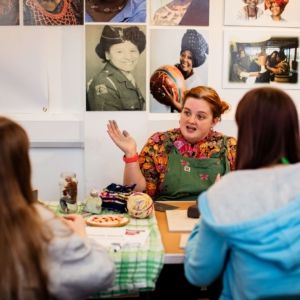
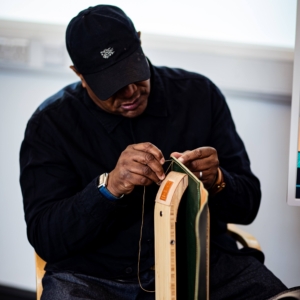
Whether you work with clay, metal, textiles or glass, your creativity can help young people see how you career can be your passion, and how classroom learning links to real careers in craft. When students meet a jeweller who uses chemistry to form alloys, or a conservator who applies history research to restoration, those subjects suddenly come alive.
We know from our volunteers that it’s hugely impactful and rewarding too:
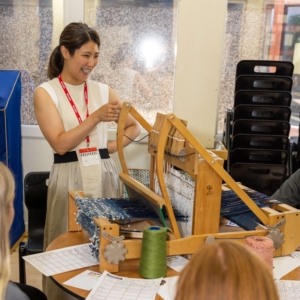
“The session was well structured and engaging. As a volunteer, I learnt new skills and gained experience. Young people benefited from the activity as they learnt about new craft and career options.” – Lulu Harrison, Volunteer
Impact so far – creating lasting change
In just three years, our campaign reached more than 45,000 young people from over 340 schools across the UK. In Year 3 alone, 22,000 students took part.
- 95% of students were introduced to a new craft-related career.
- Over 90% felt more inspired about their future and gained a better understanding of study and learning options.
- More than four in five students reported an increased awareness of the breadth of careers in craft and conservation and a stronger understanding of how their school subjects could support future career choices.
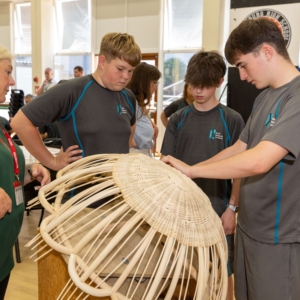
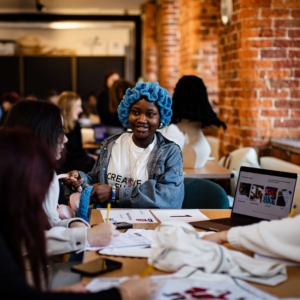

Feedback from students shows that encounters with makers and craft professionals are helping young people connect learning with the world of work, discover new possibilities and see craft and making in a different way.
Connecting school subjects with real-world careers
Students saw how subjects and interests such as art, music, design and technology can connect to real jobs and specialist skills.
“Music is one of my strong interests, so finding out that people make clarinets by hand as replicas from history was really interesting.”
Broadening young people’s understanding of creative careers
Meeting professionals helped challenge assumptions about craft and introduced students to roles and industries they may never have considered.
“I liked learning about the jobs, and I never thought of those as jobs before.”
Inspiring new possibilities for the future
Students discovered new pathways, related to people with different experiences and backgrounds, and gained greater confidence and clarity about what they might do in the future.
“I think I actually have some clarity about what I might like to do when I leave school. It’s all been a bit jumbled.”
“I did have an idea of what I wanted to do and now it’s given me another option. I’d love to make guitars.”
Valuing heritage skills while looking to the future
Students explored how traditional skills, craft, conservation, technology and innovation can come together, inspiring some to develop their own creative and technical skills.
“Alex Owen explained how he used medical equipment to find hidden treasures, even though his work is in art. That was really interesting!”
“The loom was interesting and felt like a tradition.”
Get involved in year 4!
Whether you teach, make, design or restore – you can play a part in inspiring the next generation of craftspeople.
- Teachers: bring craft careers to your classroom
- Makers: volunteer and share your skills
Together we can show young people that creativity combined with crafting and curiosity can build bright futures.

About QEST
The Queen Elizabeth Scholarship Trust (QEST) plays a pivotal role in supporting and sustaining the craft sector.
Established in 1990, QEST provides funding for the training and education of talented craftspeople, ensuring the continuation of traditional and contemporary skills across the UK.
By partnering with QEST, we’re able to showcase the stories of exceptional individuals who are preserving and innovating craft traditions while mentoring the next wave of makers.

QEST is committed to ensuring that all young people have the opportunity to meet inspiring makers through their local schools and colleges, and to find out more about the incredible array of careers that use hand-skills and creative thinking.
craft
We know that craft and making skills open the door to a range of fulfilling professional pathways, but it can be difficult to find out about these. Through the Making the Future campaign, we encourage colleagues across the craft, conservation, and manufacturing sectors to share their stories and experiences with young people.
Deborah Pocock LVO, CEO, Queen Elizabeth Scholarship Trust
Sign up to volunteer today and inspire young people to consider a future in craft.
We have thousands of workplace volunteers who come from across the craft and making sectors. They help young people discover new roles and see how what they learn in school connects to real careers. When a jeweller explains how geometry shapes pattern design, or a ceramicist describes the chemistry behind glazes, subjects like art, science, maths and history come to life in new ways.
Teachers say the impact is immediate: 100% agreed events broadened career awareness and deepened understanding of craft and conservation opportunities. As one teacher told us:
“A couple of students were fascinated by thatching – something not often seen in the North East. They loved discovering that the thatcher was female!”
If your school is not already enrolled, find out more and join Inspiring the Future.
For makers – share your craft, inspire the future
Whether you work with clay, metal, textiles or glass, your creativity can help young people see how you career can be your passion, and how classroom learning links to real careers in craft. When students meet a jeweller who uses chemistry to form alloys, or a conservator who applies history research to restoration, those subjects suddenly come alive.
We know from our volunteers that it’s hugely impactful and rewarding too:
“The session was well structured and engaging. As a volunteer, I learnt new skills and gained experience. Young people benefited from the activity as they learnt about new craft and career options.” – Lulu Harrison, Volunteer
Impact so far – creating lasting change
In just three years, our campaign reached more than 45,000 young people from over 340 schools across the UK. In Year 3 alone, 22,000 students took part.
- 95% of students were introduced to a new craft-related career.
- Over 90% felt more inspired about their future and gained a better understanding of study and learning options.
- More than four in five students reported an increased awareness of the breadth of careers in craft and conservation and a stronger understanding of how their school subjects could support future career choices.
Feedback from students shows that encounters with makers and craft professionals are helping young people connect learning with the world of work, discover new possibilities and see craft and making in a different way.
Connecting school subjects with real-world careers
Students saw how subjects and interests such as art, music, design and technology can connect to real jobs and specialist skills.
“Music is one of my strong interests, so finding out that people make clarinets by hand as replicas from history was really interesting.”
Broadening young people’s understanding of creative careers
Meeting professionals helped challenge assumptions about craft and introduced students to roles and industries they may never have considered.
“I liked learning about the jobs, and I never thought of those as jobs before.”
Inspiring new possibilities for the future
Students discovered new pathways, related to people with different experiences and backgrounds, and gained greater confidence and clarity about what they might do in the future.
“I think I actually have some clarity about what I might like to do when I leave school. It’s all been a bit jumbled.”
“I did have an idea of what I wanted to do and now it’s given me another option. I’d love to make guitars.”
Valuing heritage skills while looking to the future
Students explored how traditional skills, craft, conservation, technology and innovation can come together, inspiring some to develop their own creative and technical skills.
“Alex Owen explained how he used medical equipment to find hidden treasures, even though his work is in art. That was really interesting!”
“The loom was interesting and felt like a tradition.”
Get involved in year 4!
Whether you teach, make, design or restore – you can play a part in inspiring the next generation of craftspeople.
- Teachers: bring craft careers to your classroom
- Makers: volunteer and share your skills
Together we can show young people that creativity combined with crafting and curiosity can build bright futures.
About QEST
The Queen Elizabeth Scholarship Trust (QEST) plays a pivotal role in supporting and sustaining the craft sector.
Established in 1990, QEST provides funding for the training and education of talented craftspeople, ensuring the continuation of traditional and contemporary skills across the UK.
By partnering with QEST, we’re able to showcase the stories of exceptional individuals who are preserving and innovating craft traditions while mentoring the next wave of makers.
QEST is committed to ensuring that all young people have the opportunity to meet inspiring makers through their local schools and colleges, and to find out more about the incredible array of careers that use hand-skills and creative thinking.
craft
We know that craft and making skills open the door to a range of fulfilling professional pathways, but it can be difficult to find out about these. Through the Making the Future campaign, we encourage colleagues across the craft, conservation, and manufacturing sectors to share their stories and experiences with young people.
Deborah Pocock LVO, CEO, Queen Elizabeth Scholarship Trust
Sign up to volunteer today and inspire young people to consider a future in craft.
From jewellery to joinery, glasswork to game design, craft is bursting with creativity – and opportunity.
Working in partnership with the Queen Elizabeth Scholarship Trust (QEST), Making the Future is back for its fourth year, connecting young people with the extraordinary people, skills and workplaces shaping the world around us.
Last year, young people explored over 30 different creative careers across craft, conservation, heritage and the creative industries, including roles many may never have heard of. Just as importantly, they discovered how these careers connect with the subjects, interests and skills they are already developing at school.
Now, we’re taking that idea even further by asking one big question: How can the things we make make the future better?
Whether young people are interested in art, science, engineering, history, geography, design, technology or simply love solving problems, they’ll meet makers and professionals using creativity, specialist skills and innovation to make life better for people and our planet. Along the way, they’ll discover the many different pathways into creative craft careers and see where their own interests could take them.

For teachers – bring craft to life in your classroom
We have thousands of workplace volunteers who come from across the craft and making sectors. They help young people discover new roles and see how what they learn in school connects to real careers. When a jeweller explains how geometry shapes pattern design, or a ceramicist describes the chemistry behind glazes, subjects like art, science, maths and history come to life in new ways.
Teachers say the impact is immediate: 100% agreed events broadened career awareness and deepened understanding of craft and conservation opportunities. As one teacher told us:
“A couple of students were fascinated by thatching – something not often seen in the North East. They loved discovering that the thatcher was female!”
If your school is not already enrolled, find out more and join Inspiring the Future.
For makers – share your craft, inspire the future
Whether you work with clay, metal, textiles or glass, your creativity can help young people see how you career can be your passion, and how classroom learning links to real careers in craft. When students meet a jeweller who uses chemistry to form alloys, or a conservator who applies history research to restoration, those subjects suddenly come alive.
We know from our volunteers that it’s hugely impactful and rewarding too:
“The session was well structured and engaging. As a volunteer, I learnt new skills and gained experience. Young people benefited from the activity as they learnt about new craft and career options.” – Lulu Harrison, Volunteer
Impact so far – creating lasting change
In just three years, our campaign reached more than 45,000 young people from over 340 schools across the UK. In Year 3 alone, 22,000 students took part.
- 95% of students were introduced to a new craft-related career.
- Over 90% felt more inspired about their future and gained a better understanding of study and learning options.
- More than four in five students reported an increased awareness of the breadth of careers in craft and conservation and a stronger understanding of how their school subjects could support future career choices.
Feedback from students shows that encounters with makers and craft professionals are helping young people connect learning with the world of work, discover new possibilities and see craft and making in a different way.
Connecting school subjects with real-world careers
Students saw how subjects and interests such as art, music, design and technology can connect to real jobs and specialist skills.
“Music is one of my strong interests, so finding out that people make clarinets by hand as replicas from history was really interesting.”
Broadening young people’s understanding of creative careers
Meeting professionals helped challenge assumptions about craft and introduced students to roles and industries they may never have considered.
“I liked learning about the jobs, and I never thought of those as jobs before.”
Inspiring new possibilities for the future
Students discovered new pathways, related to people with different experiences and backgrounds, and gained greater confidence and clarity about what they might do in the future.
“I think I actually have some clarity about what I might like to do when I leave school. It’s all been a bit jumbled.”
“I did have an idea of what I wanted to do and now it’s given me another option. I’d love to make guitars.”
Valuing heritage skills while looking to the future
Students explored how traditional skills, craft, conservation, technology and innovation can come together, inspiring some to develop their own creative and technical skills.
“Alex Owen explained how he used medical equipment to find hidden treasures, even though his work is in art. That was really interesting!”
“The loom was interesting and felt like a tradition.”
Get involved in year 4!
Whether you teach, make, design or restore – you can play a part in inspiring the next generation of craftspeople.
- Teachers: bring craft careers to your classroom
- Makers: volunteer and share your skills
Together we can show young people that creativity combined with crafting and curiosity can build bright futures.
About QEST
The Queen Elizabeth Scholarship Trust (QEST) plays a pivotal role in supporting and sustaining the craft sector.
Established in 1990, QEST provides funding for the training and education of talented craftspeople, ensuring the continuation of traditional and contemporary skills across the UK.
By partnering with QEST, we’re able to showcase the stories of exceptional individuals who are preserving and innovating craft traditions while mentoring the next wave of makers.
QEST is committed to ensuring that all young people have the opportunity to meet inspiring makers through their local schools and colleges, and to find out more about the incredible array of careers that use hand-skills and creative thinking.
craft
We know that craft and making skills open the door to a range of fulfilling professional pathways, but it can be difficult to find out about these. Through the Making the Future campaign, we encourage colleagues across the craft, conservation, and manufacturing sectors to share their stories and experiences with young people.
Deborah Pocock LVO, CEO, Queen Elizabeth Scholarship Trust
Sign up to volunteer today and inspire young people to consider a future in craft.